
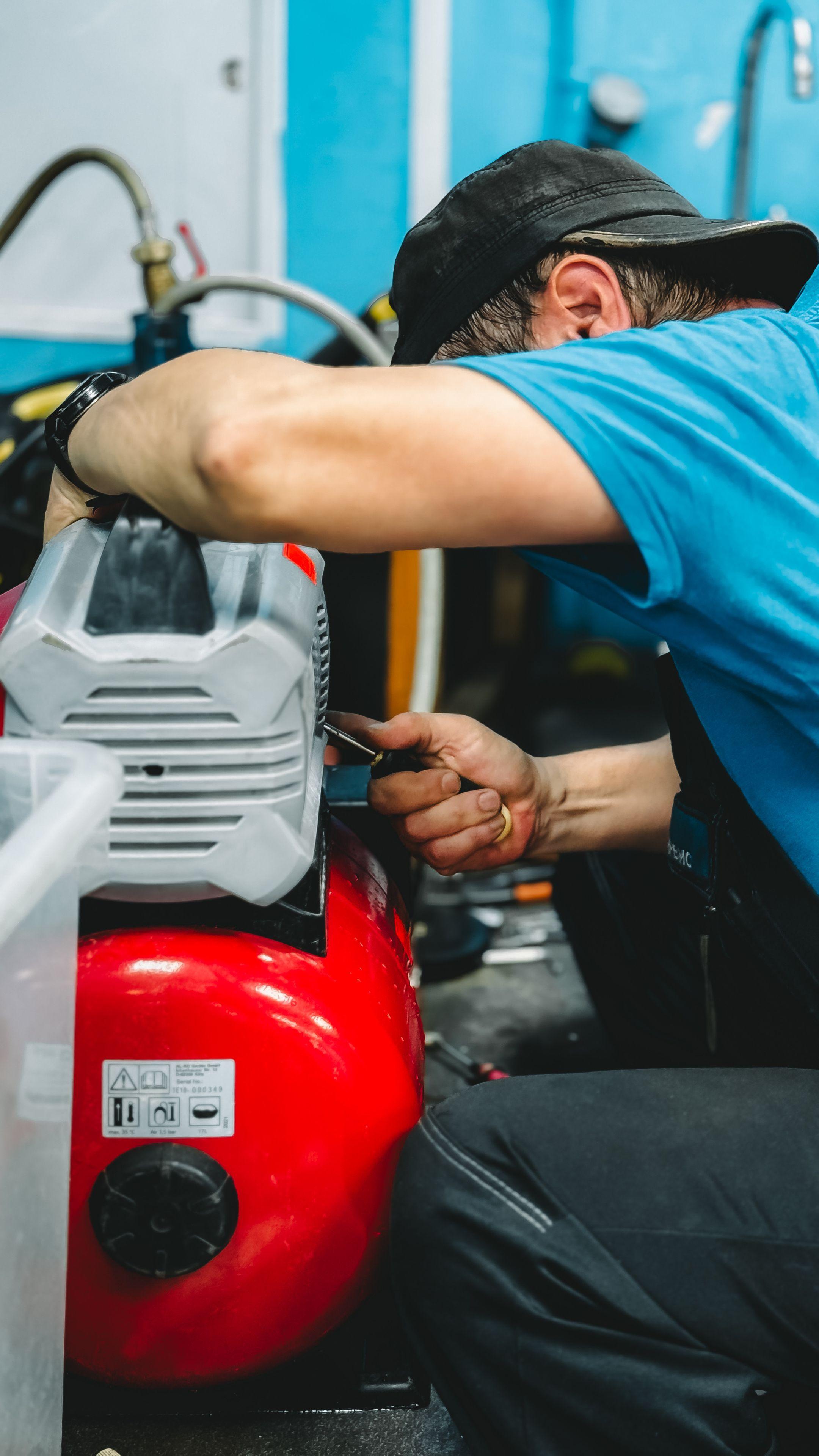
We get a lot of calls that start the same way: "My pump is making a weird noise, so do I need a new one?" Sometimes the answer is yes. More often, it's a $30 part and an hour of labor.
Pool equipment down here doesn't get much of a break. Your pump might run eight or more hours a day, twelve months a year, in heat and humidity that's tough on anything with a motor. So when something starts acting up, it's worth knowing what's likely fixable and what really needs a pro.
A heater that won't fire could have a bad igniter. It could also just have a dirty pressure switch or low water flow from a clogged filter. Those are very different bills. Before anyone quotes you on new equipment, make sure someone has actually figured out why the old one stopped working.
Most equipment gives you some warning before it quits for good. Here's what we see most often around South Florida.
A screeching or grinding pump usually means worn bearings. A drip under the motor often points to a failed shaft seal. If the motor hums but won't spin, the capacitor is a common culprit. You can usually fix all three without replacing the whole pump, as long as you catch them before the motor burns out.
When the gauge reads 8 to 10 PSI higher than normal, your filter needs attention. Most of the time, a good cleaning or fresh cartridges solve it. A cracked tank is a different story, and that one shouldn't wait.
Heat pumps are pretty common in Broward and Palm Beach County, and they're sensitive to airflow and water flow. Leaves packed against the coil, a bad sensor, or corrosion from salt air can all slow them down. We've also had plenty of "broken" heaters that were just set to the wrong mode.
Calcium builds up on salt cells fast in our water. Once it does, chlorine output drops and the warning light comes on. A cleaning often fixes it, though older cells do eventually need replacing.
Some problems really are simple. Before you call anyone, take a few minutes to:
If everything looks normal and the problem persists, stop and call for help.
YouTube makes everything look easy. Pool equipment, though, mixes water with high voltage, and gas heaters add another layer of risk. We've been called out to fix motors that were rewired backward and plumbing leaks patched with the wrong glue. Those jobs almost always cost more than the original repair would have.
Newer pumps and heaters often come with solid manufacturer warranties. Many of those require repairs by a licensed professional. If you open the unit yourself, you could lose coverage that would've paid for the fix.
A good technician looks at the whole system, since one problem often causes another. A pump that keeps overheating might actually be fighting a dirty filter or a partly closed valve. Fixing the root cause keeps you from paying for the same repair twice. It also helps your equipment last a lot longer.
If your pool equipment is acting up, call us before you buy something new. Our team will figure out what's actually wrong and tell you honestly whether it's worth repairing. Contact BlueWater Pools today to schedule a visit.
BlueWater Pools