
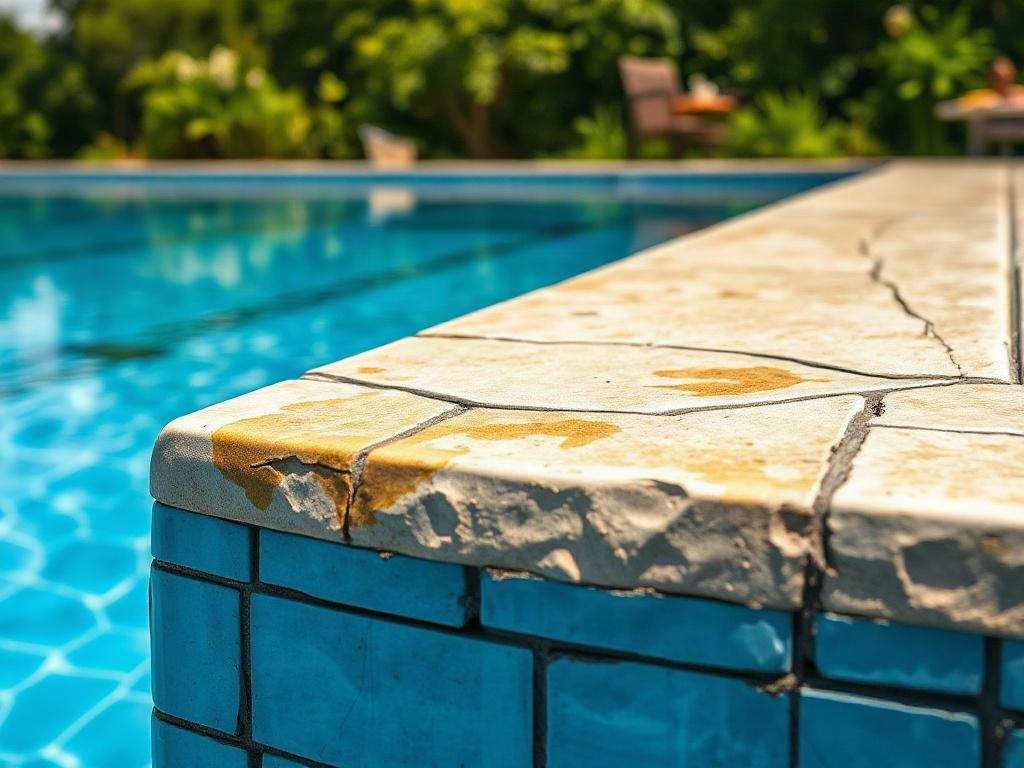
A swimming pool should be a place to relax, cool off, and enjoy your outdoor space. Over time, however, constant exposure to water, chemicals, sunlight, and everyday use can take a toll on the pool's surface. If your pool is starting to look worn or feel different underfoot, it may be time to consider pool resurfacing in Port St Lucie.
Some surface problems can be addressed with relatively simple repairs or maintenance. When several warning signs appear at once, resurfacing may provide a longer-lasting solution. Knowing what to look for can help you determine when your pool needs more than a quick fix.
One of the easiest signs to notice is a rough or uncomfortable pool surface. A properly maintained surface should generally feel smooth when you walk through the pool or run your hand along the walls.
A rough texture can develop as the pool finish deteriorates. In some cases, mineral deposits or chemical imbalances may contribute, but significant surface deterioration can indicate the finish needs professional attention.
If your pool feels increasingly rough despite regular cleaning and chemical maintenance, it's worth having the surface inspected.
Pool stains can come from several sources, including minerals, organic debris, algae, and chemical imbalances. Some stains can be removed through proper cleaning or specialized treatment.
Persistent staining can be a different story. If discoloration remains after you've addressed the underlying cause, the pool surface itself may be contributing to the appearance.
A professional can determine whether the staining can be treated or whether resurfacing would provide a better solution.
Small cracks should never be ignored. While some cracks may require a localized repair, multiple cracks across the pool surface can indicate more widespread deterioration.
Watch for cracks that keep appearing after repairs, or for areas where the surface is starting to chip or deteriorate. The location, size, and cause of the cracks can all affect the appropriate repair strategy.
An inspection can help determine whether a specific area needs repair or whether the pool would benefit from a new surface.
A pool's finish can lose its original appearance over time. Fading, blotchy areas, uneven coloration, and widespread discoloration can make the entire pool look older, even when the surrounding area is well maintained.
Sun exposure and pool chemicals can contribute to changes in appearance. In Port St Lucie, pools also face strong Florida sunlight and a warm climate for much of the year.
If discoloration covers a significant portion of the pool, resurfacing can restore a more consistent appearance.
Recurring algae can be frustrating, particularly when you're regularly cleaning the pool and maintaining its chemistry. Algae growth can be connected to several factors, including circulation, filtration, water chemistry, and areas that are difficult to clean.
A damaged or deteriorating surface can also make cleaning more challenging. Rough areas may give algae and other contaminants places to collect.
If algae continues returning despite proper pool maintenance, consider having both the pool system and surface evaluated. Addressing the underlying issue can be more effective than repeatedly treating the symptoms.
A pool finish that's peeling, flaking, or chipping clearly shows the surface needs attention. These problems can affect the pool's appearance and may worsen if the deterioration continues.
You may notice small pieces of the finish collecting on the pool floor or areas that look noticeably thinner than the surrounding surface. These changes can indicate that the existing finish has reached the end of its useful life.
The right solution depends on the surface's condition. A professional pool contractor can determine whether a localized repair is appropriate or whether resurfacing makes more sense.
A pool should be relatively manageable with regular cleaning and maintenance. If you're spending more time scrubbing stains, dealing with buildup, or trying to clean rough areas, the surface condition could be part of the problem.
An aging finish can make routine maintenance more difficult. Resurfacing can create a smoother surface that may be easier to maintain while giving your pool a refreshed appearance.
Before deciding on resurfacing, identify why cleaning has become more difficult. A professional evaluation can help pinpoint the source.
Not every pool problem requires resurfacing. A small crack, isolated stain, or minor damaged area may be suitable for a targeted repair.
Resurfacing becomes more worth considering when problems are widespread or continue returning after repairs. If your pool has several of the following issues, it may be time to discuss your options with a professional:
Also consider the age and condition of the existing finish. A professional can evaluate the surface and help you determine which approach makes sense for your pool.
A rough texture, stubborn stains, cracks, discoloration, recurring algae, and peeling finish can all indicate that your pool needs more than routine maintenance. Catching these issues early can help you understand your options before surface deterioration becomes more extensive.
If you're noticing several of these warning signs, consider scheduling a professional inspection. The right solution depends on your pool's condition, the cause of the damage, and the state of the existing surface.
If your pool is showing signs that its surface needs attention, our team at Bluewater Pools is here to help. We can evaluate your pool, discuss your concerns, and help you determine whether resurfacing is the right solution for your property. Reach out to our team today to learn more about pool resurfacing in Port St Lucie and how we can help give your pool a refreshed look and feel.
BlueWater Pools