
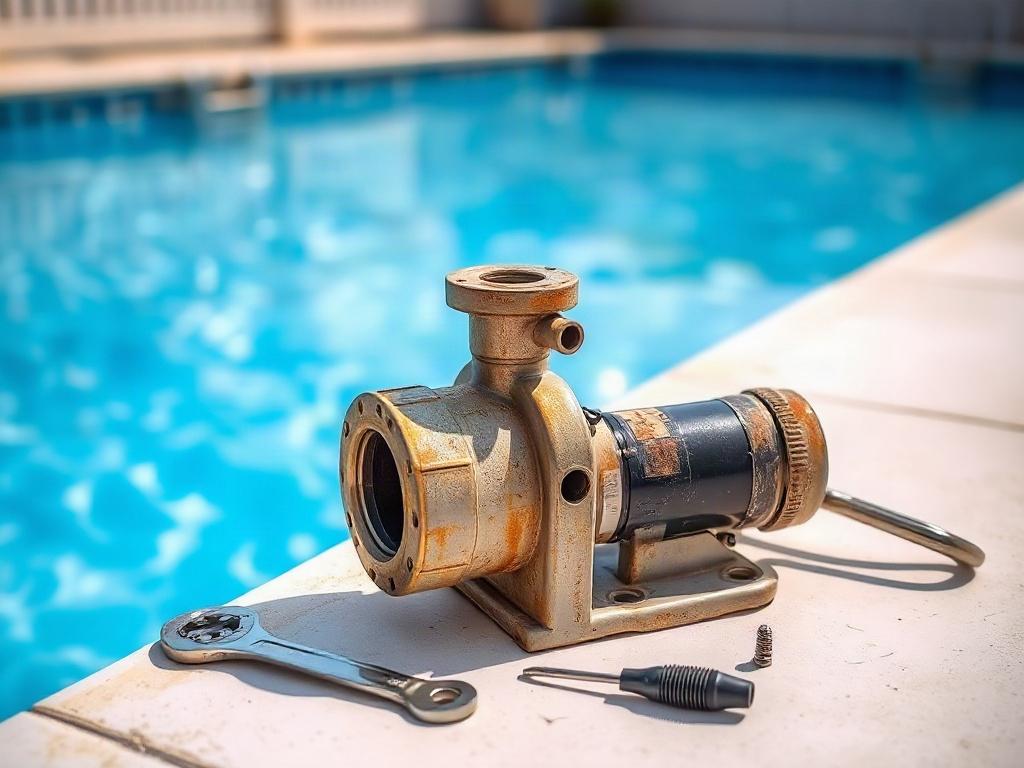
A pool pump that starts rattling or a heater that suddenly stops working can put a damper on pool season. The first question is usually how much it'll cost to fix. But if your equipment has been acting up for a while, you might be wondering whether another repair is really worth the money.
There's no single answer for every pool. A small fix can get a dependable piece of equipment running again, while an older unit with recurring problems may be ready for retirement. Considering its age, repair history, energy use, and overall condition can help you decide where to spend your money.
Before calling for a repair, think about how long you've had the equipment. A pump that's only a few years old may have a worn seal or another replaceable part. If it's been running for years and has already needed several repairs, the problem could signal more general wear.
Pool pumps, filters, heaters, and automatic cleaners all have different expected lifespans. Maintenance also makes a difference. In Florida, where pools can see plenty of use year-round, equipment may have to work harder than it would in a climate with a shorter swimming season.
Check the manufacturer's guidance, but don't decide based on age alone. A well-maintained older unit might still have useful life left, while a newer one could have a serious problem that makes replacement worth considering. A pool professional can inspect the equipment and give you a clearer idea of its condition.
One repair doesn't necessarily mean your equipment is on its way out. Replacing a worn part can be a sensible choice, particularly if the unit has otherwise been reliable. The concern is when repair bills start becoming a regular expense.
Imagine you've paid to fix your pool pump twice in the past year. Now it's making another strange noise, and the technician suspects a different component is failing. Even if the latest repair isn't especially expensive, it's worth asking how much more you might spend keeping the same pump running.
Before agreeing to the work, consider a few things:
A useful rule of thumb is to compare the repair cost with the replacement price, but the numbers don't tell the whole story. A repair might still be worthwhile if the equipment is otherwise in good shape. However, paying repeatedly to keep a failing unit going can become more expensive over time.
Pool equipment uses electricity, and some older models can be costly to operate. The pump is a good place to start if you're trying to bring down your energy bill because it often runs for several hours a day.
A variable speed pool pump adjusts its operating speed to suit the job. Depending on your current pump, pool setup, and schedule, upgrading could reduce electricity use. The savings won't be identical for every household, so it's worth asking for an estimate based on your actual setup.
Pool heaters deserve attention, too. If yours runs frequently or struggles to keep the water warm, have it checked before assuming it needs replacing. The problem might be a repairable component, but an older, inefficient heater may cost more to operate than a newer model.
When comparing options, think about how often you use your pool. If you swim year-round, efficiency improvements could matter more than they would to someone who uses the pool only occasionally.
Sometimes the biggest issue isn't the repair bill. It's the hassle of equipment that never seems to work properly.
A pump that struggles to circulate water can affect filtration. A damaged filter may leave the water cloudy, and an unreliable heater can make swimming less comfortable. Problems with circulation and filtration can also make it harder to maintain good water quality.
Keep an eye out for these warning signs:
These symptoms don't automatically mean you need a replacement. A blocked basket, dirty filter, or worn seal may be all that's wrong. If the same problem keeps returning after repairs, though, it may be time to discuss a new unit with a pool professional.
Pool equipment sometimes gets blamed for problems caused by poor maintenance. A clogged filter or blocked pump basket can interfere with performance, while neglected components may wear out sooner than they should.
Have a professional inspect the system before spending money on new equipment. A straightforward service visit may restore normal operation.
If replacement is necessary, make sure the new equipment suits your pool. A pump that's too powerful or a heater that doesn't match your needs can create unnecessary expenses. Compatibility with your existing plumbing and system components matters, too.
If your equipment is relatively new and the problem is minor, a repair may be all you need. If breakdowns are becoming routine, energy bills are climbing, or performance continues to suffer, replacement deserves a closer look.
Need help deciding what to do with your pool equipment? Contact Bluewater Pools today. Our team can assess the issue, talk through your options, and help you choose a solution that fits your pool and budget.
BlueWater Pools